
Justuno Admin Redesign
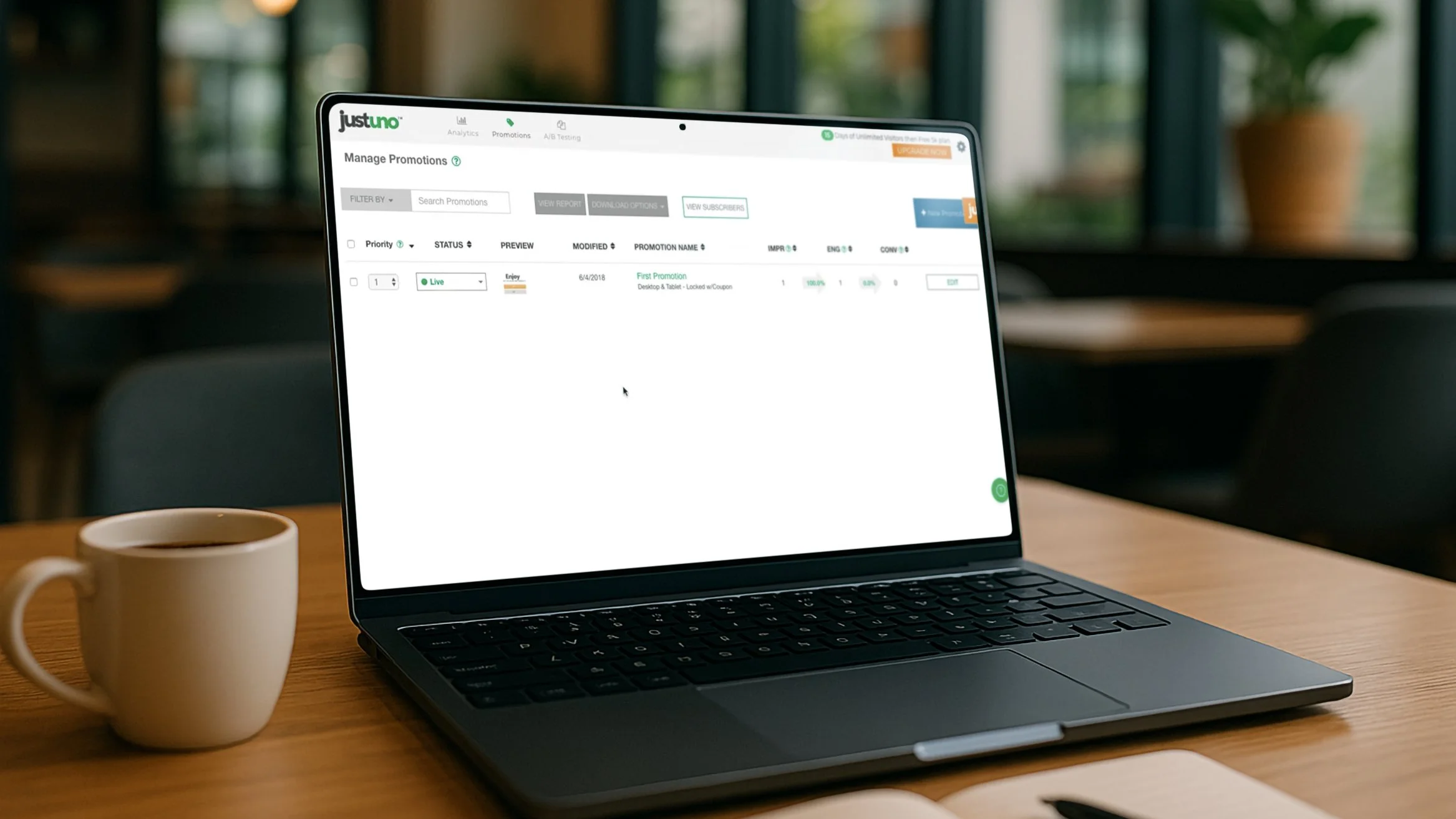
The Problem
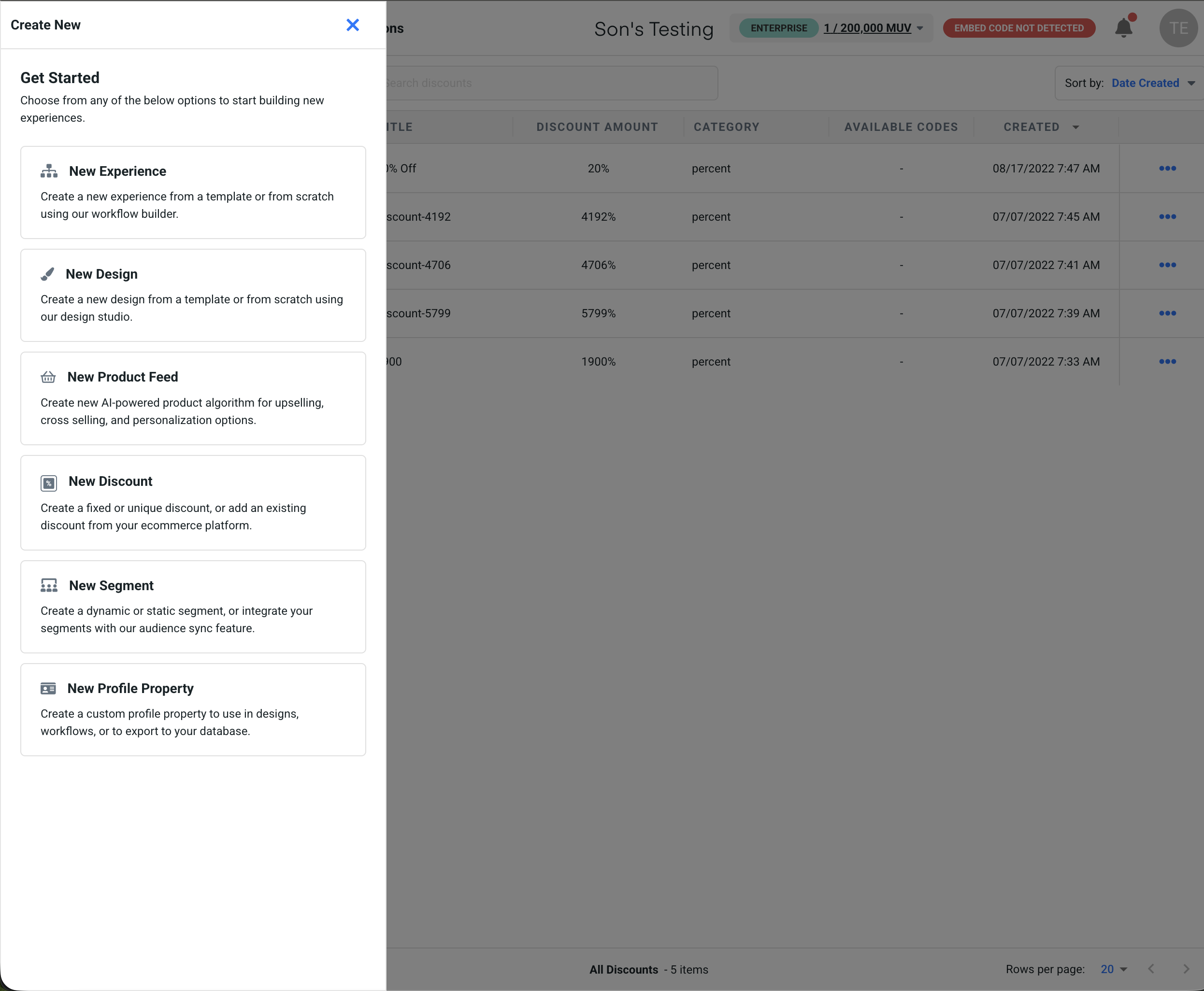
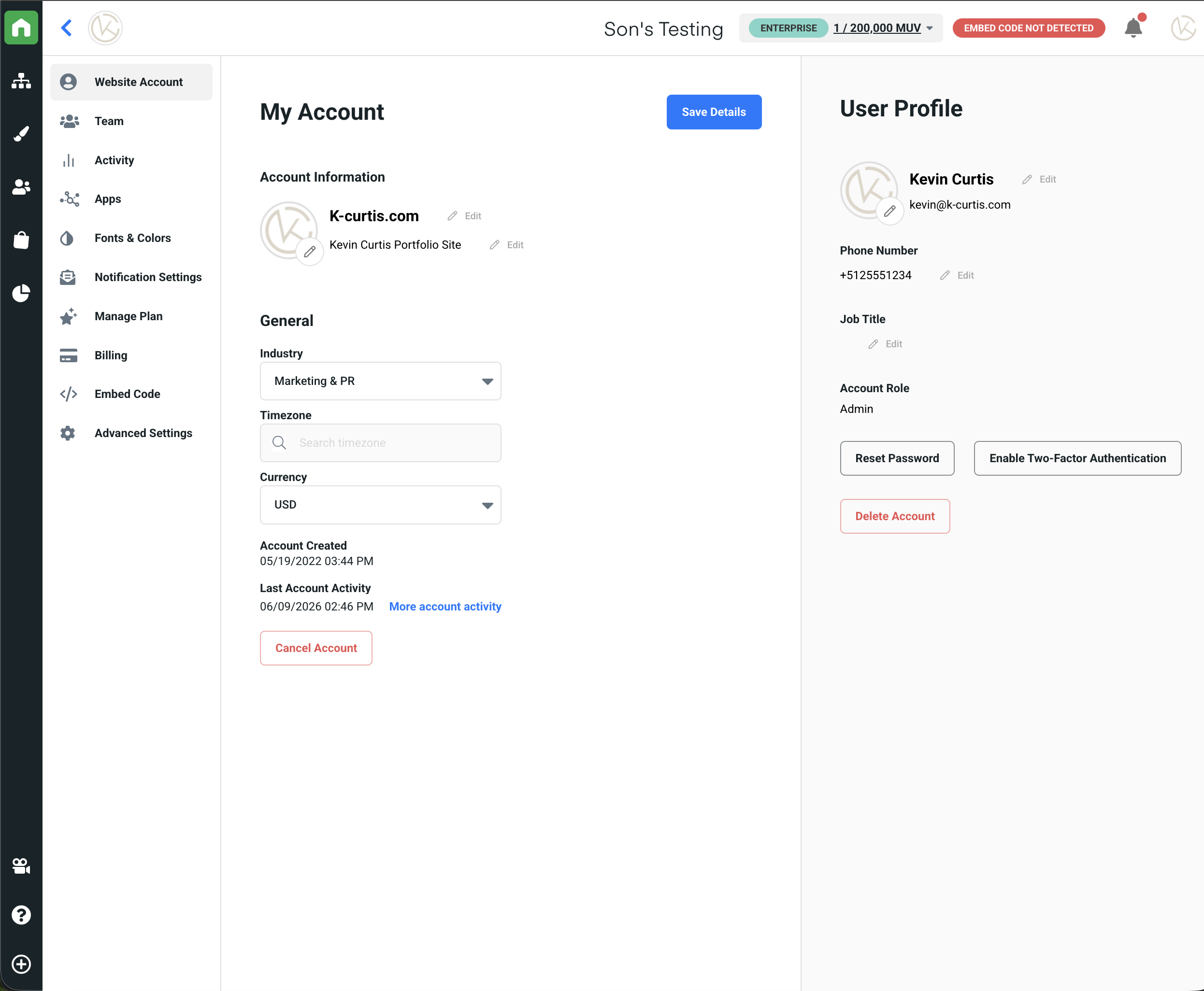
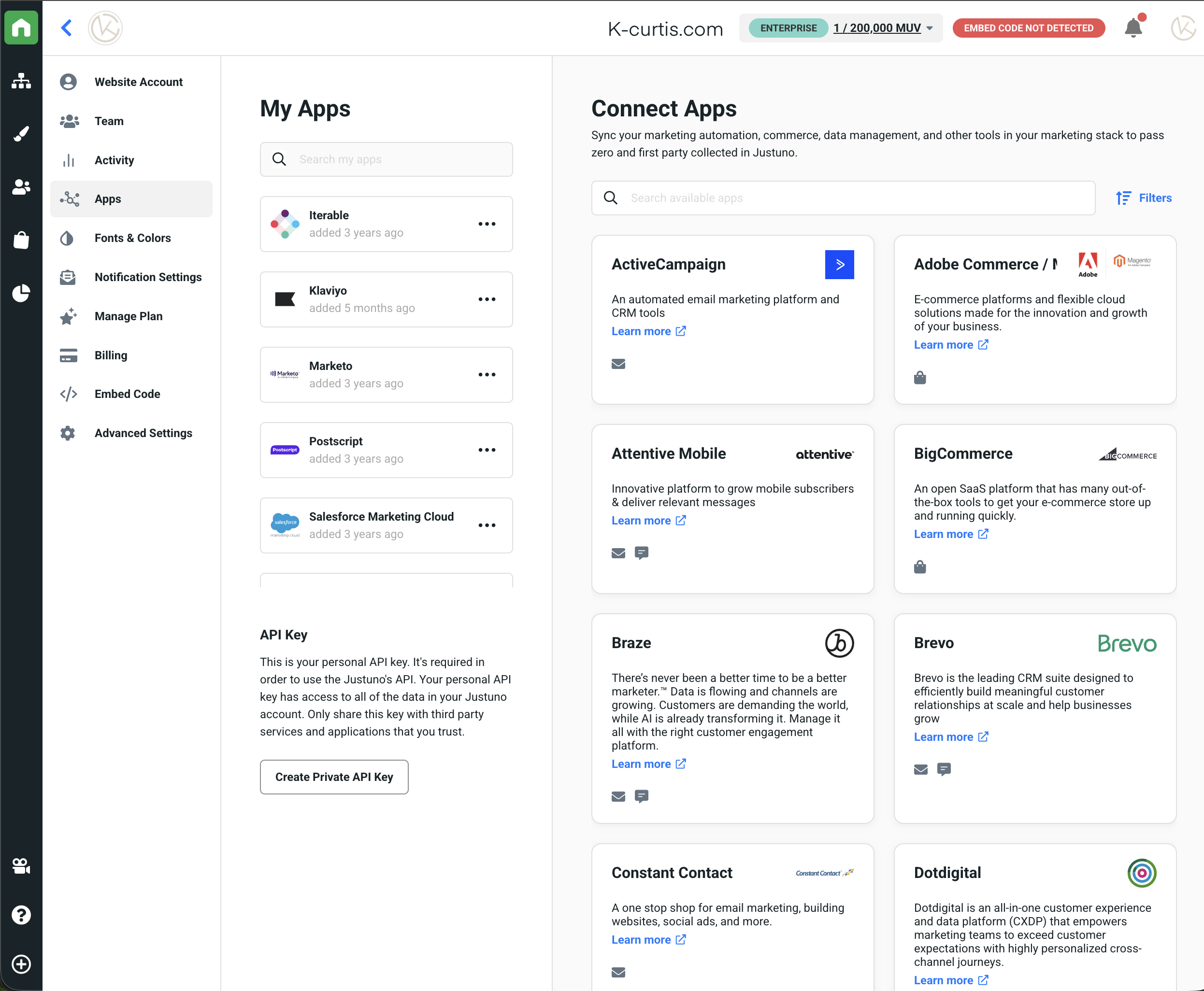
The admin section had grown dated and disorganized as features were added over time without a system holding them together. Workflows, designs, and account settings lived wherever they happened to be built, which made the product harder to use and harder to extend. The analytics platform had already moved onto React, and the goal now was to bring the rest of the admin experience up to match it, as a complete rebuild rather than another round of patches.
The Work
This was built as one new system rather than a series of separate updates. A new designer joined the project alongside me, and I gave significant input on direction given the years I had already spent inside the product. I was the sole frontend developer on the rebuild, working closely with the backend team, design, and marketing to bring it together.
The rebuild touched nearly every part of the admin experience:
Workflows
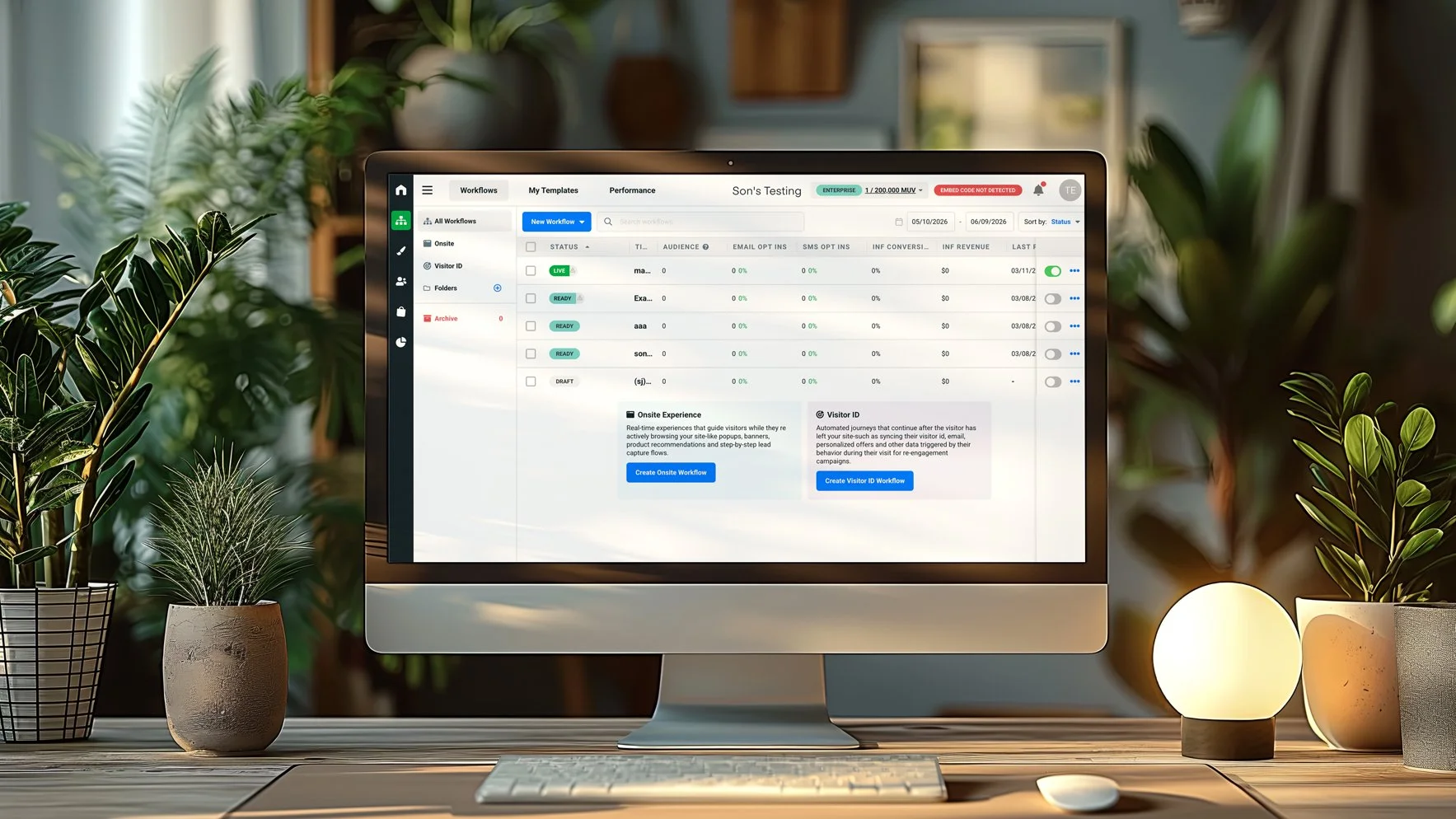
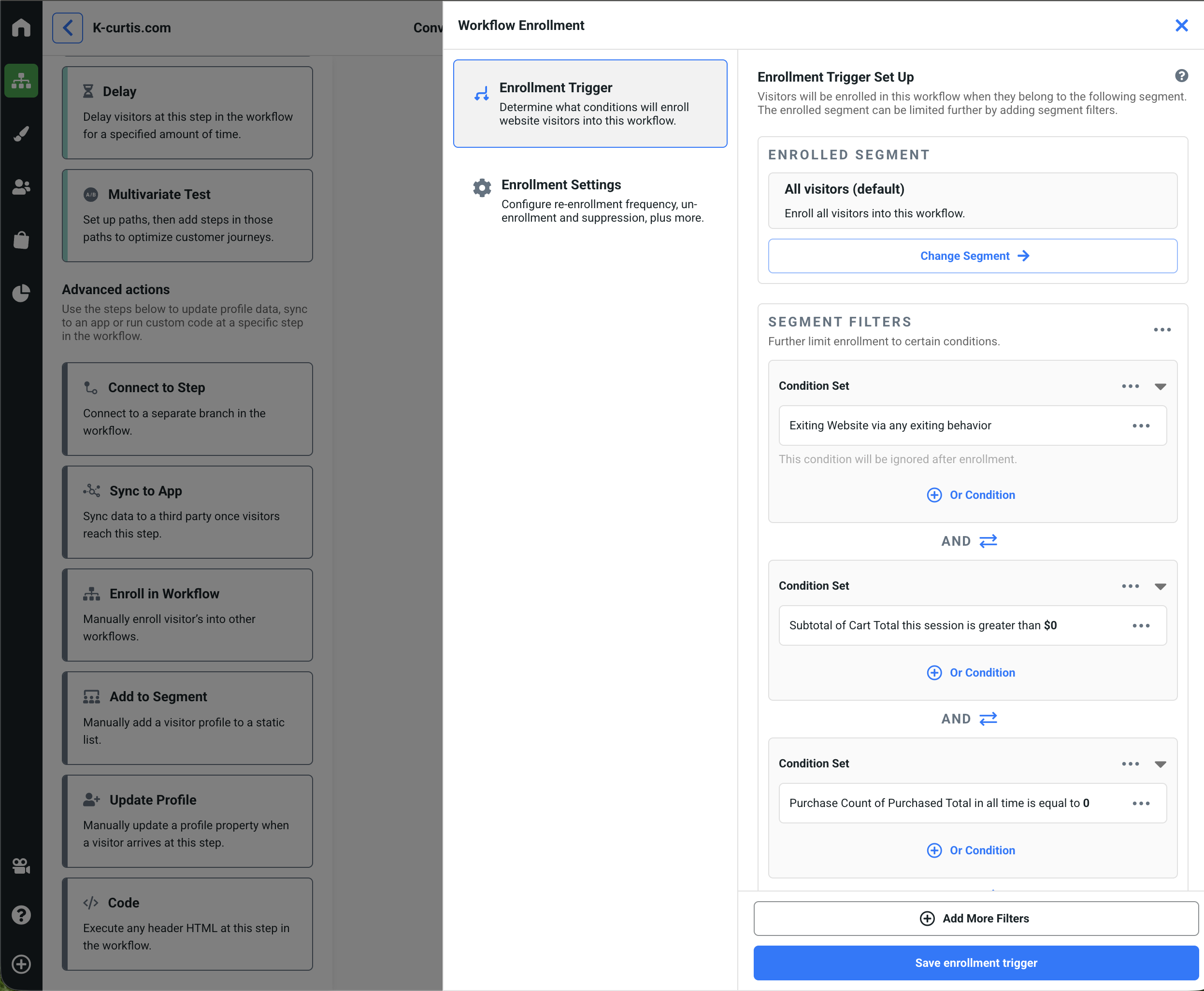
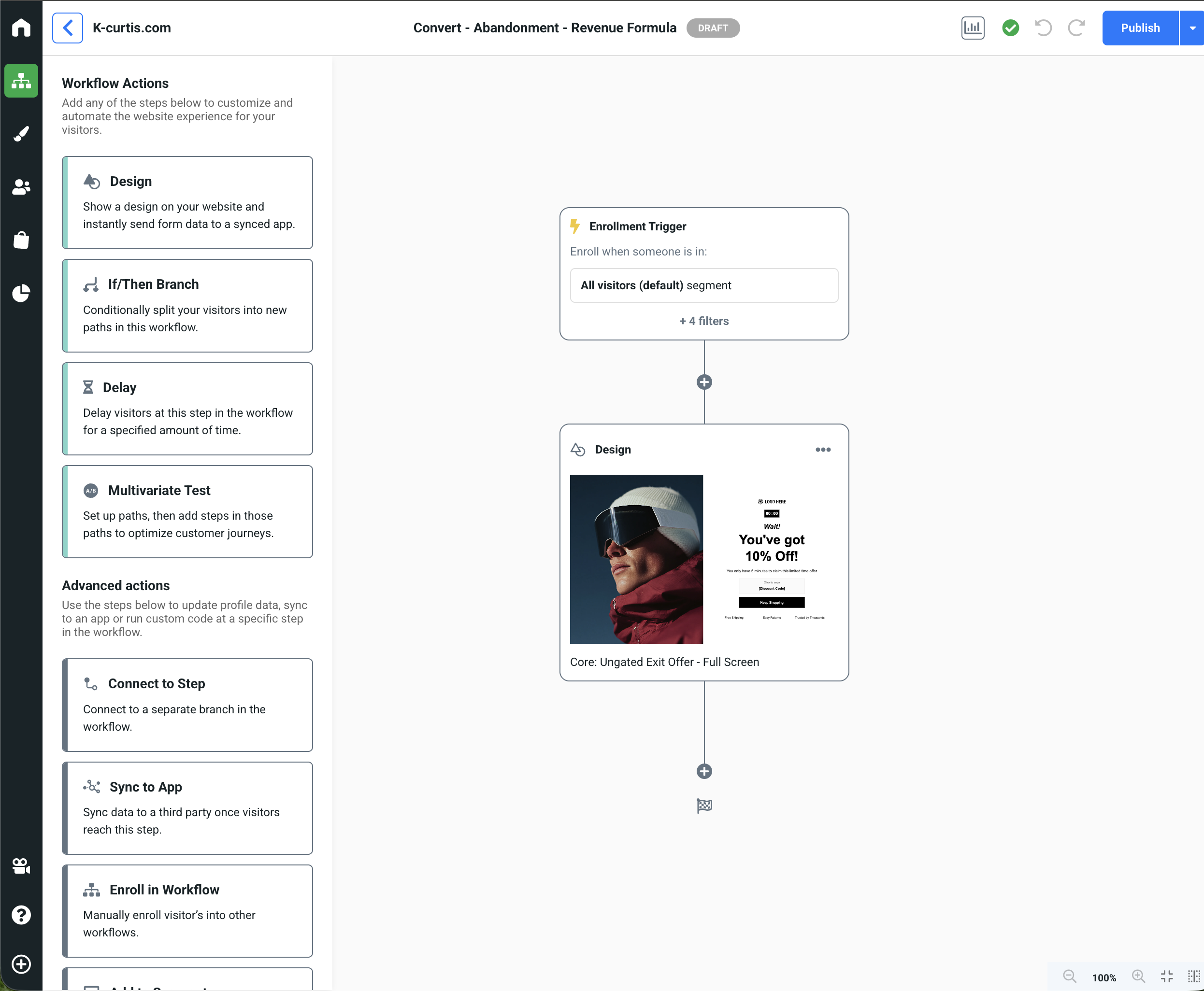
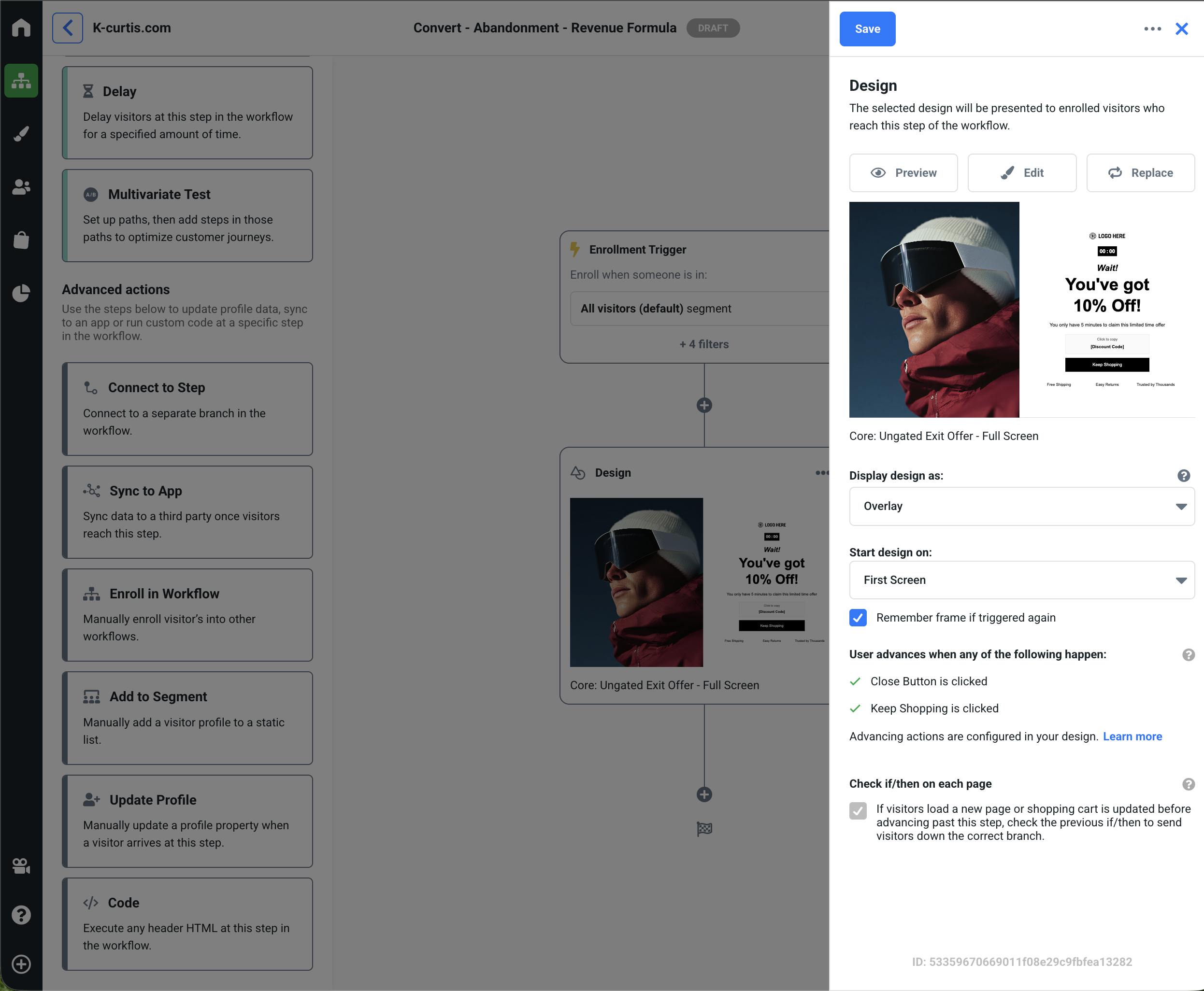
Workflows were pulled out of the design canvas, where they had been buried, and rebuilt as their own standalone section. Clients could build a workflow once, apply it across multiple promotions, and save workflow templates to speed up future setup, making it far easier to track and act on separate streams of data.

Designs
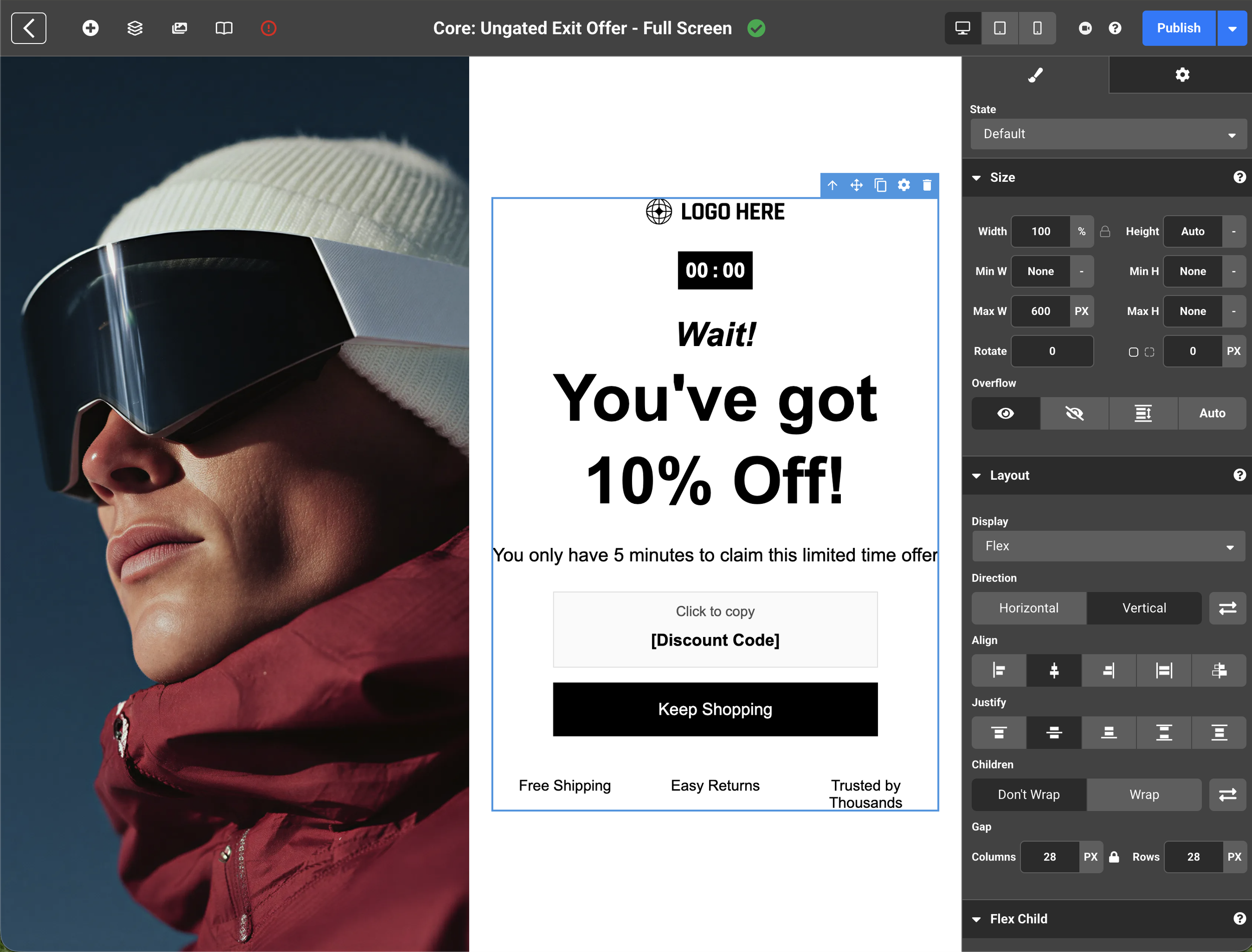
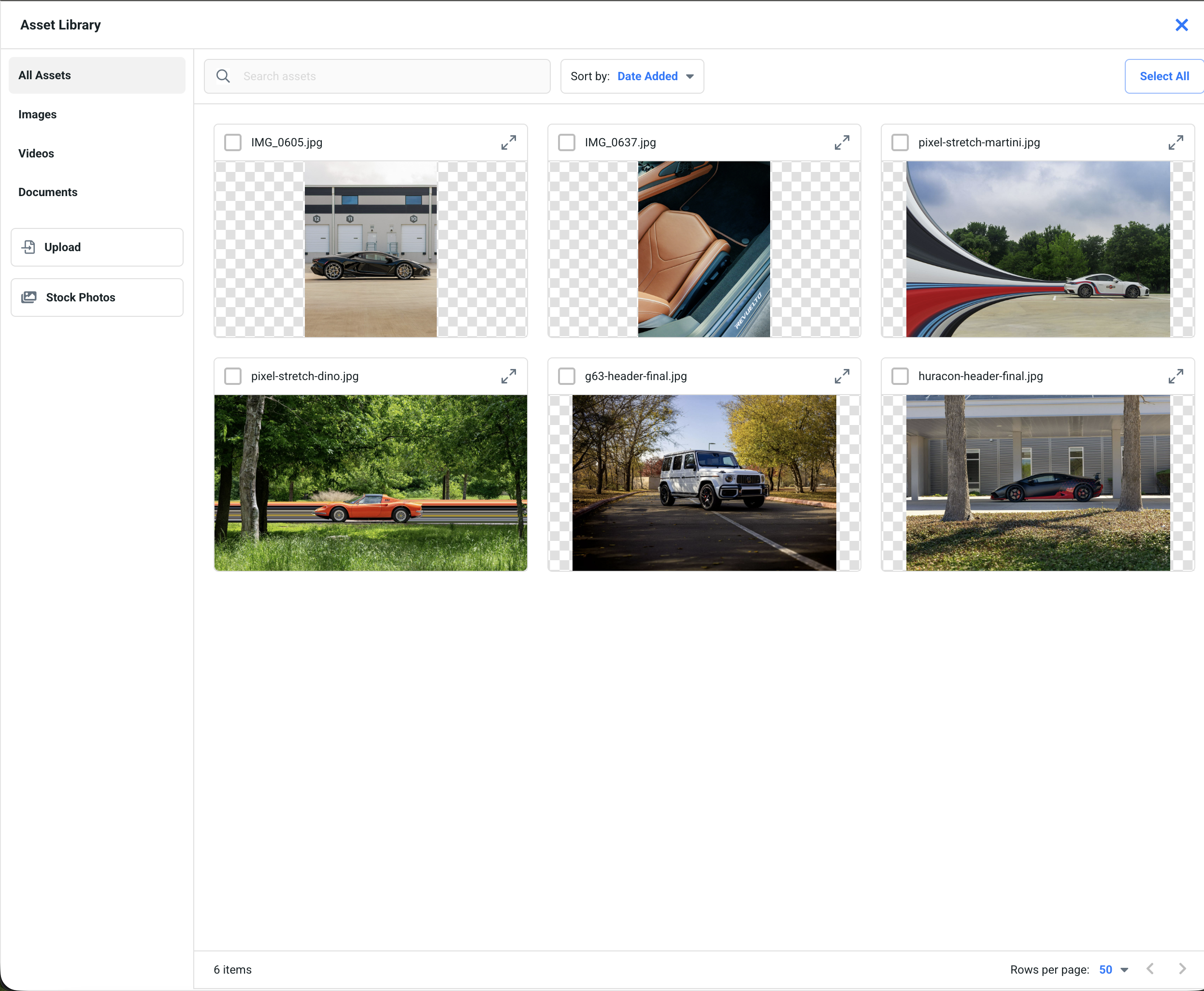
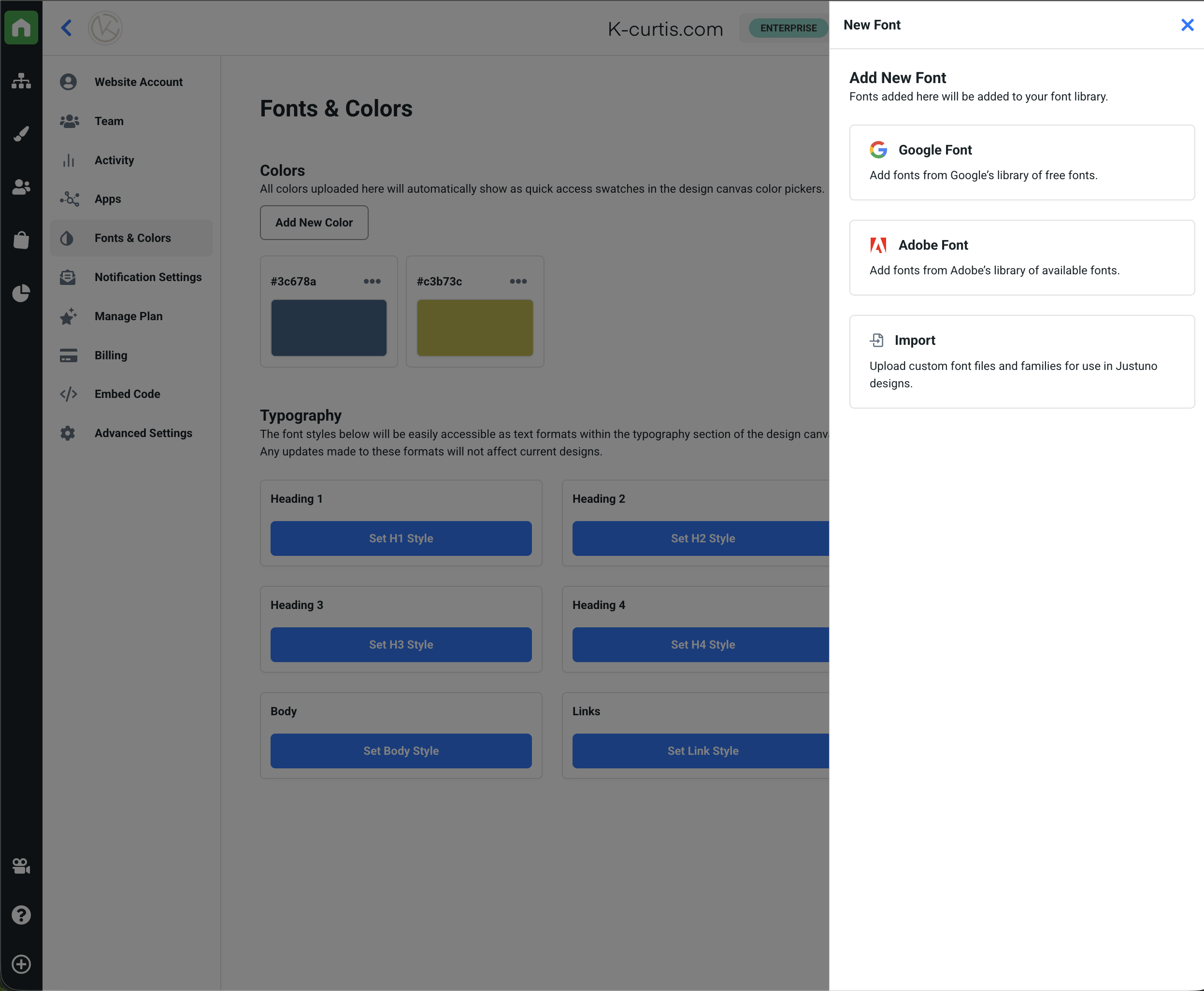
Designs got a new dashboard with more data surfaced to the client and control over what they wanted to see. Clients could save design templates for reuse, and a new asset manager gave them a library to store and reuse their own files. I also built in an Unsplash search so clients could pull high-resolution images directly into their designs without worrying about licensing.
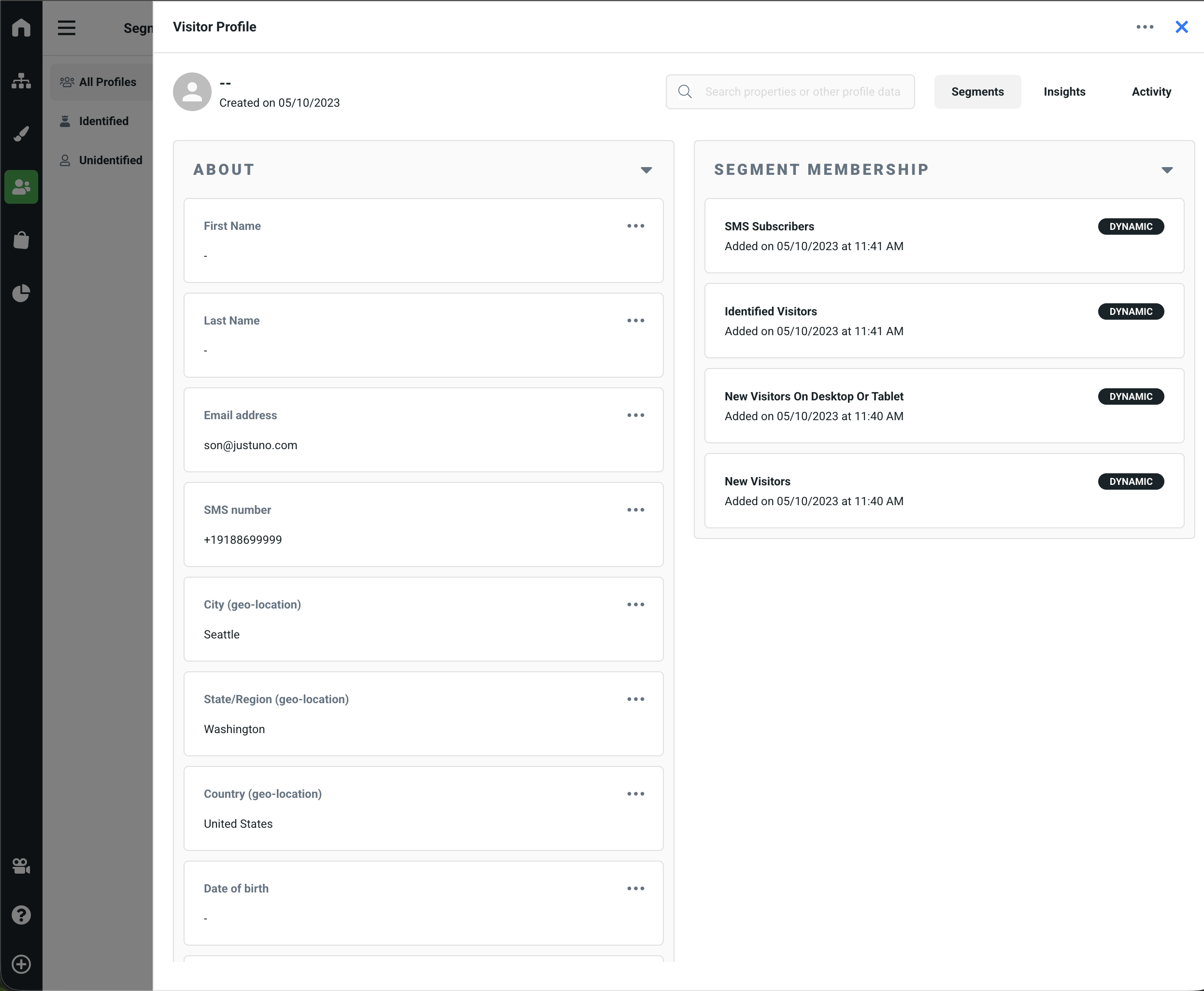
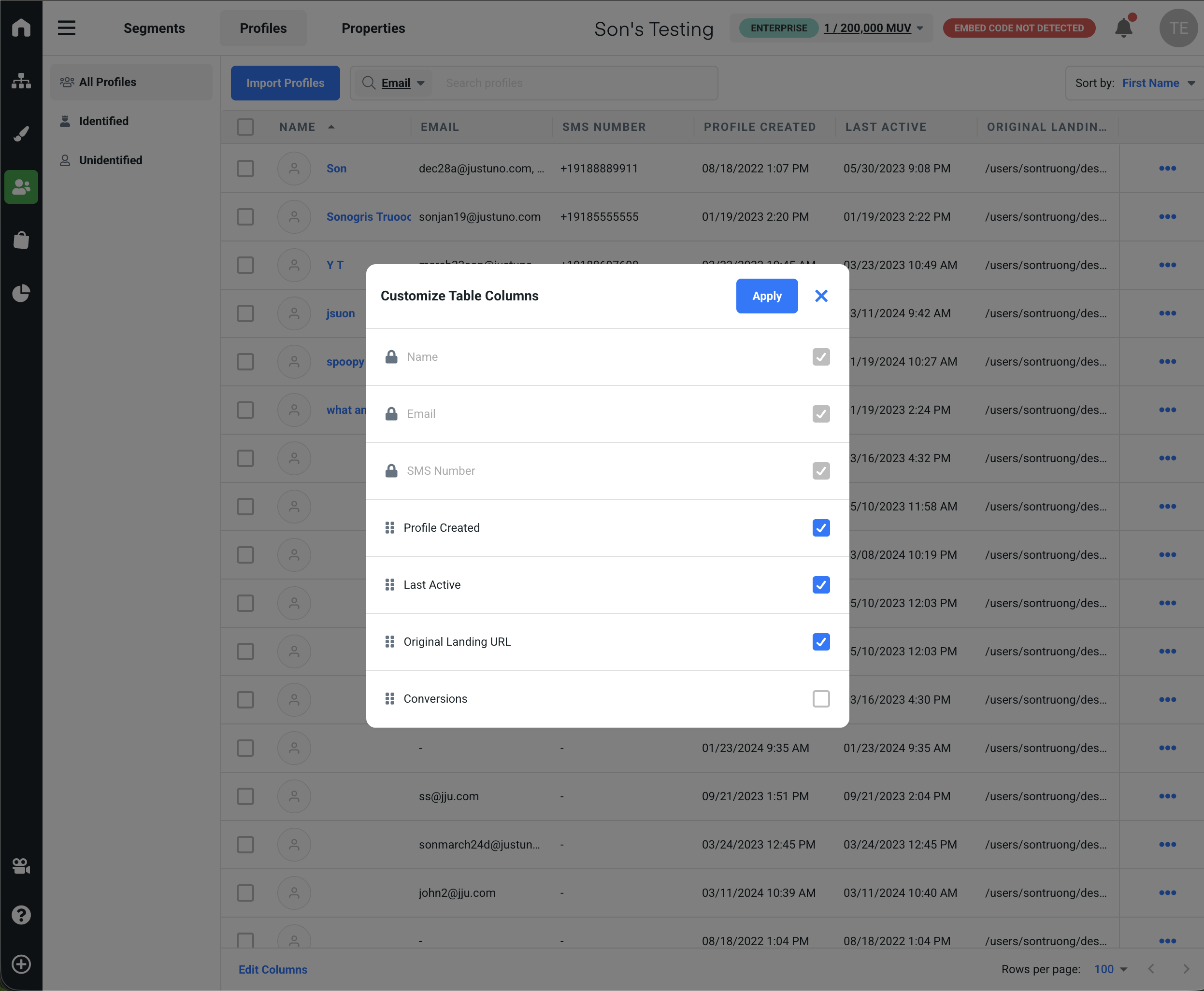
Segments gave clients a dedicated space to manage the user data they had collected and see analytics tied to it directly, something that previously didn't exist as its own area at all.
The Outcome
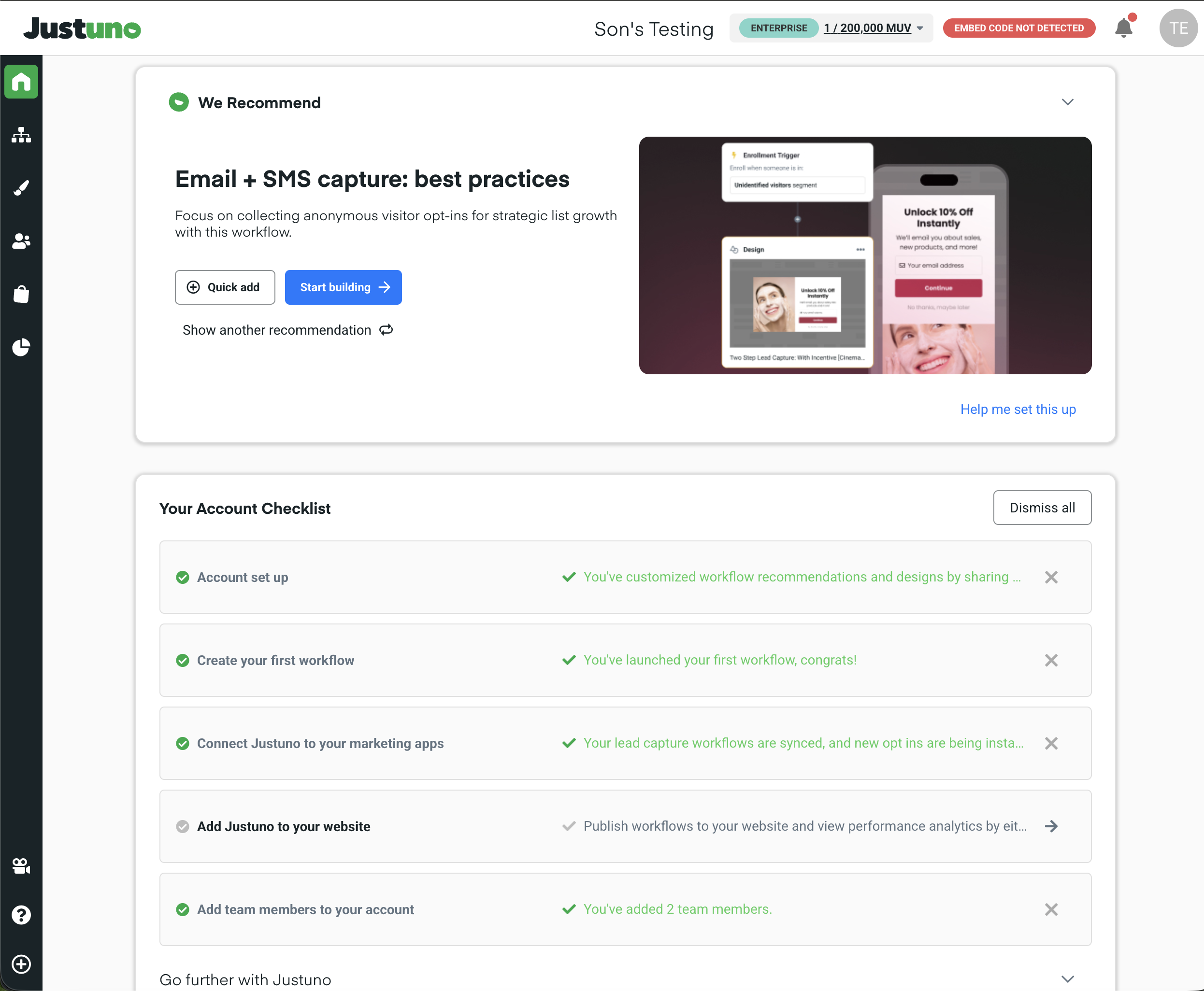
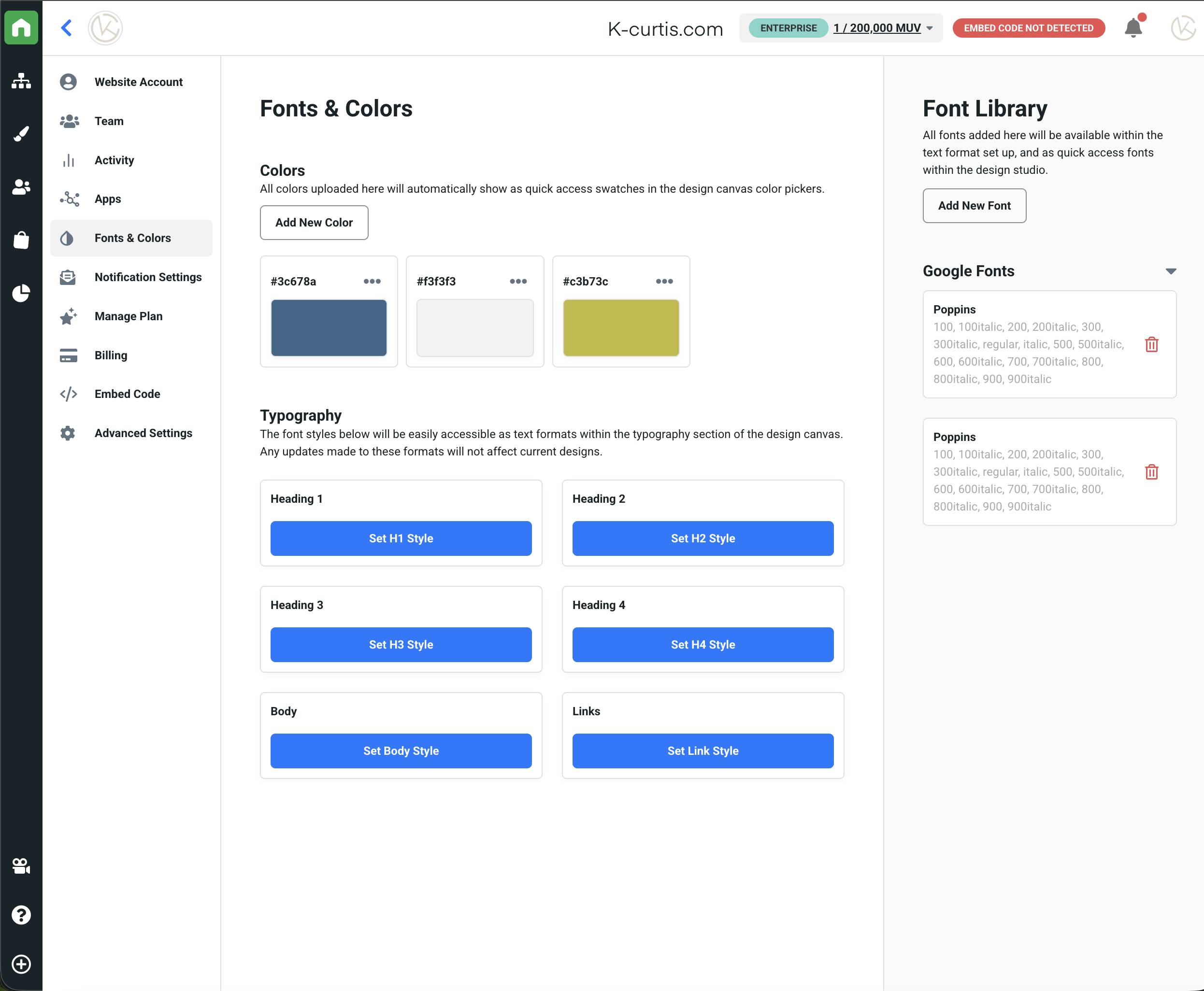
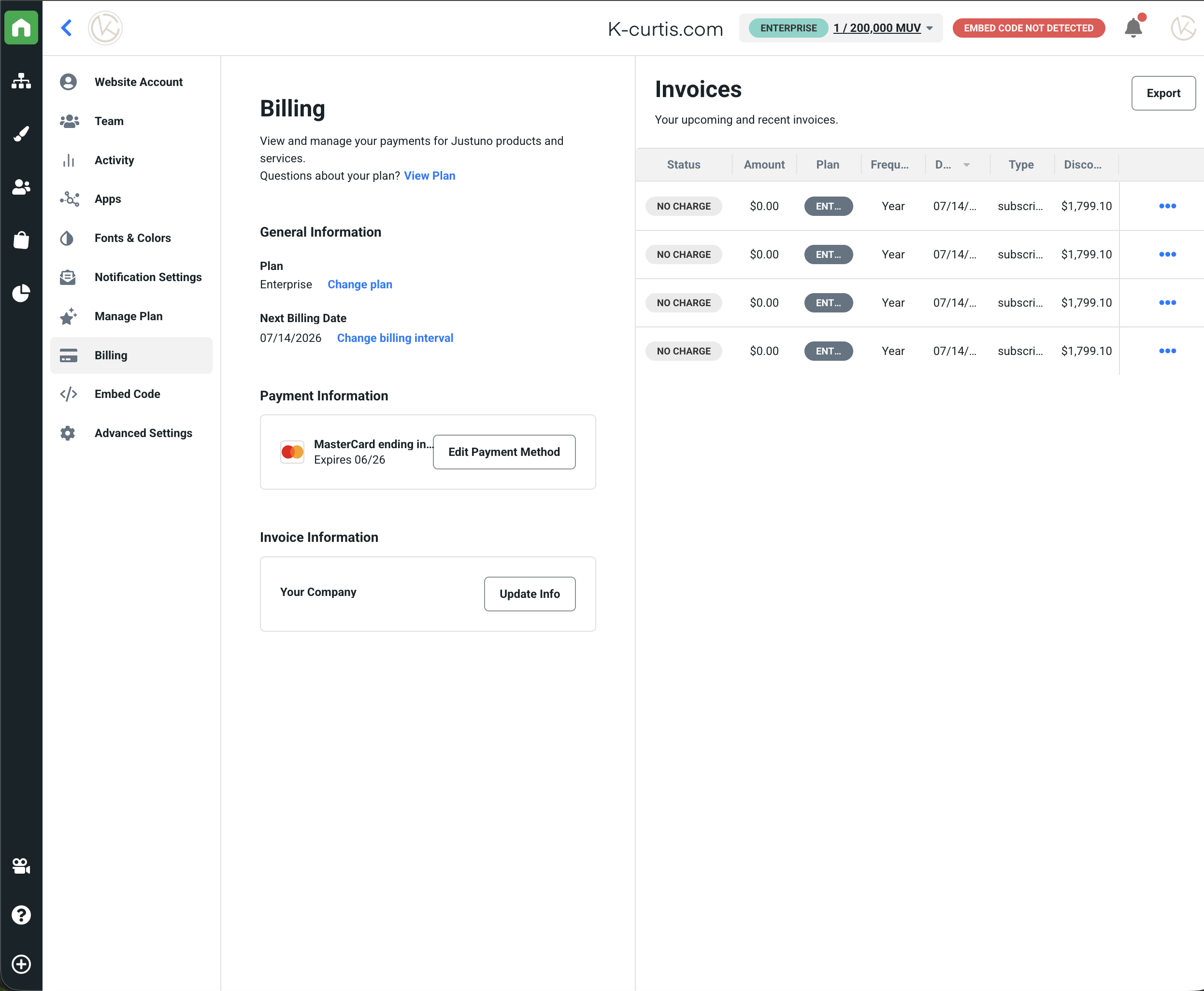
The new admin ran on a more modern framework, which made it noticeably faster and smoother to use on top of being better organized. Compared to the old system, it was a significant leap forward, not just visually but structurally, giving clients direct control over branding, assets, and data that previously required digging through disconnected sections or wasn't available at all.