Commercial Automotive Photography
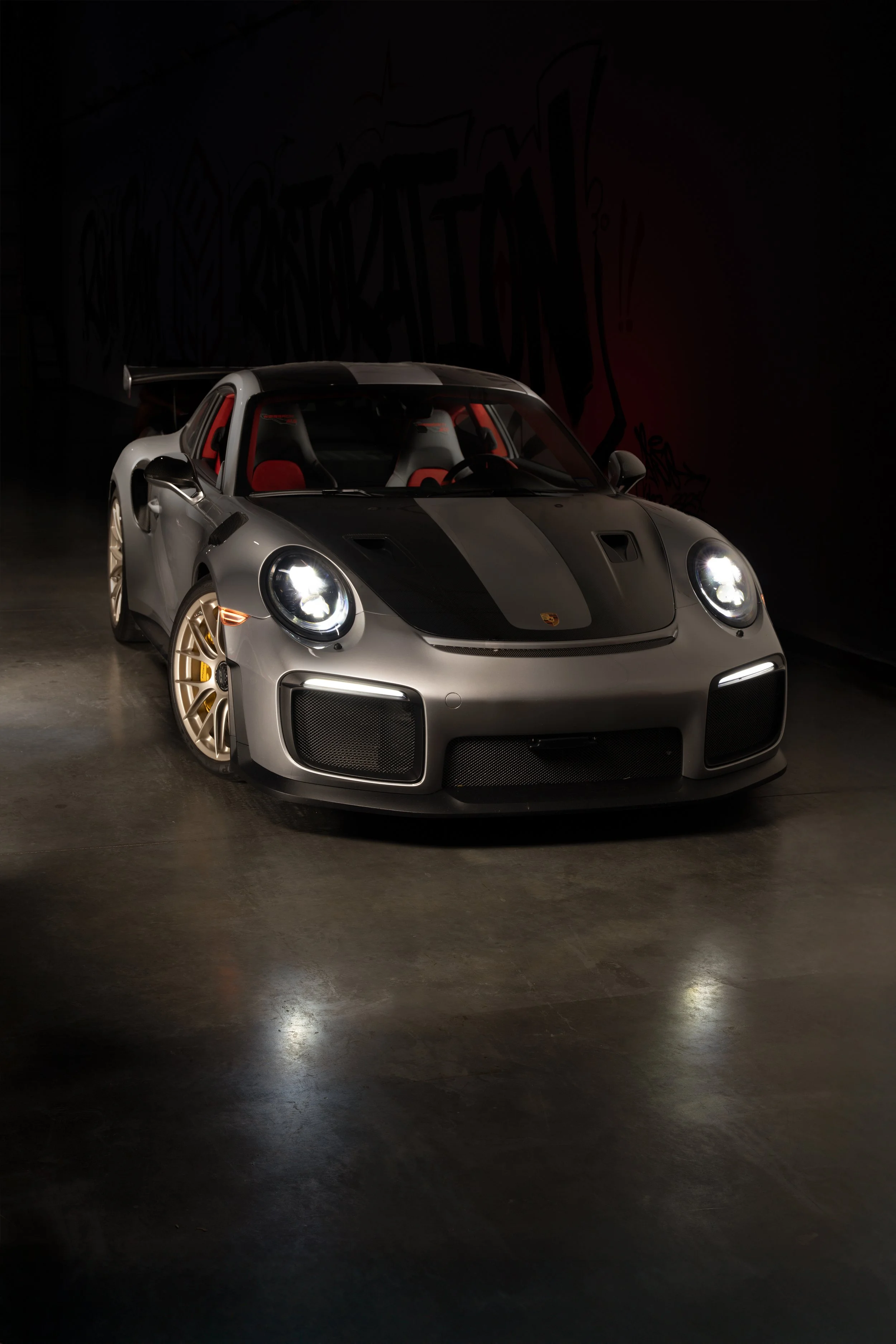
A car deserves more than a flat backdrop and good lighting. I shoot on location with full gear, choosing settings that suit the vehicle rather than defaulting to whatever's convenient. Some shoots take an hour, others stretch across a full day and several locations, but the goal is always the same: make the car look like what it actually is.
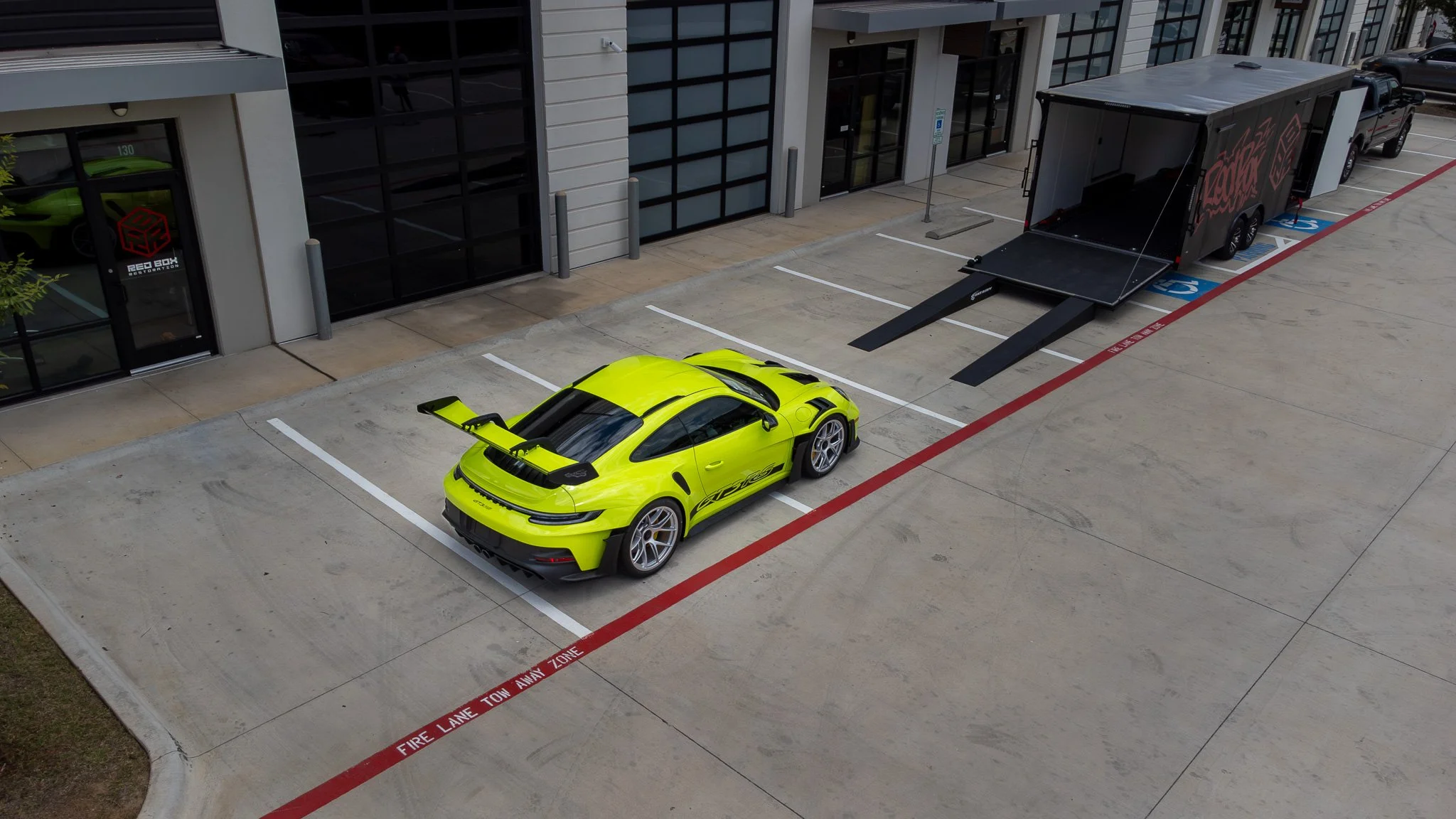
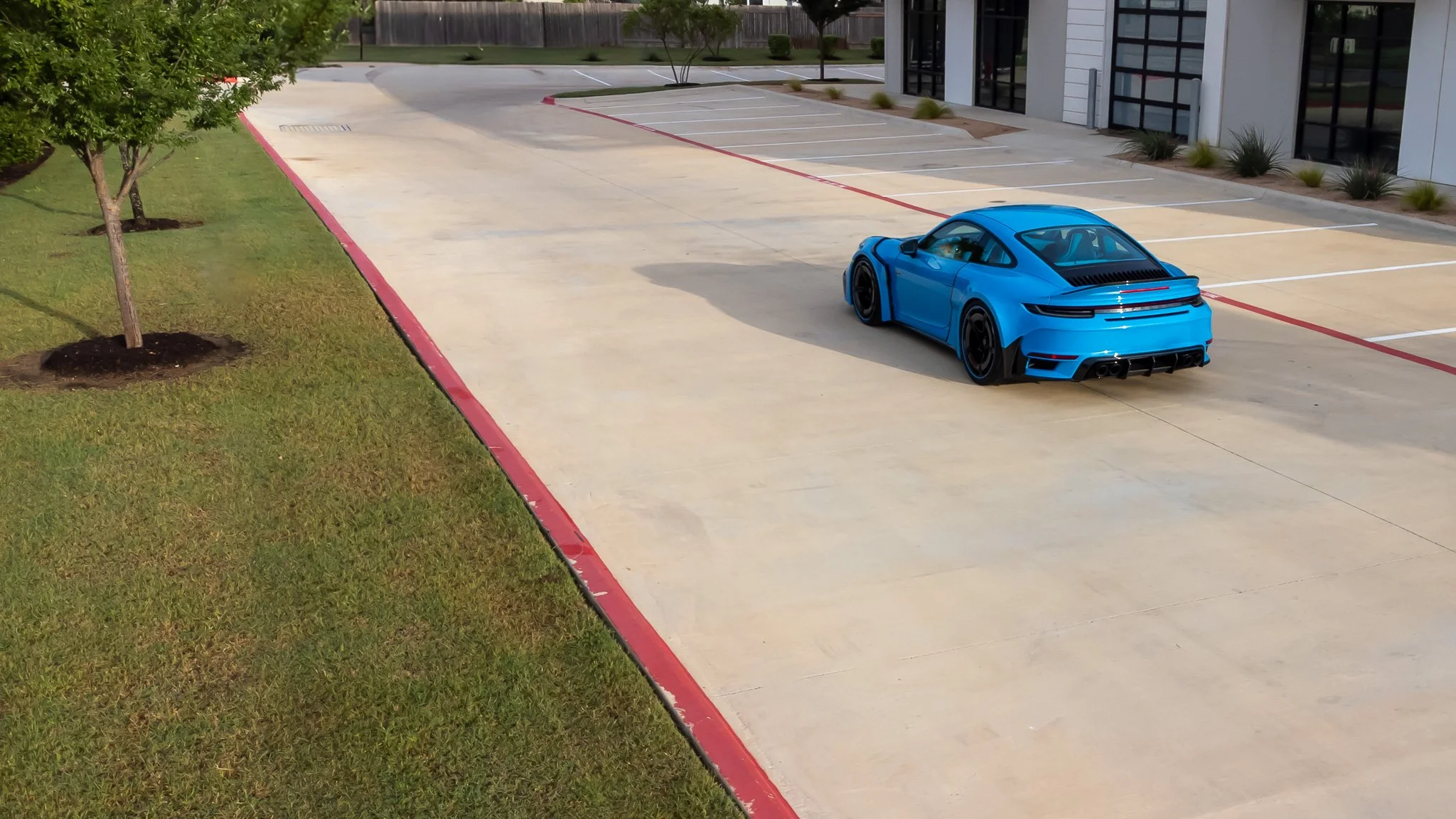
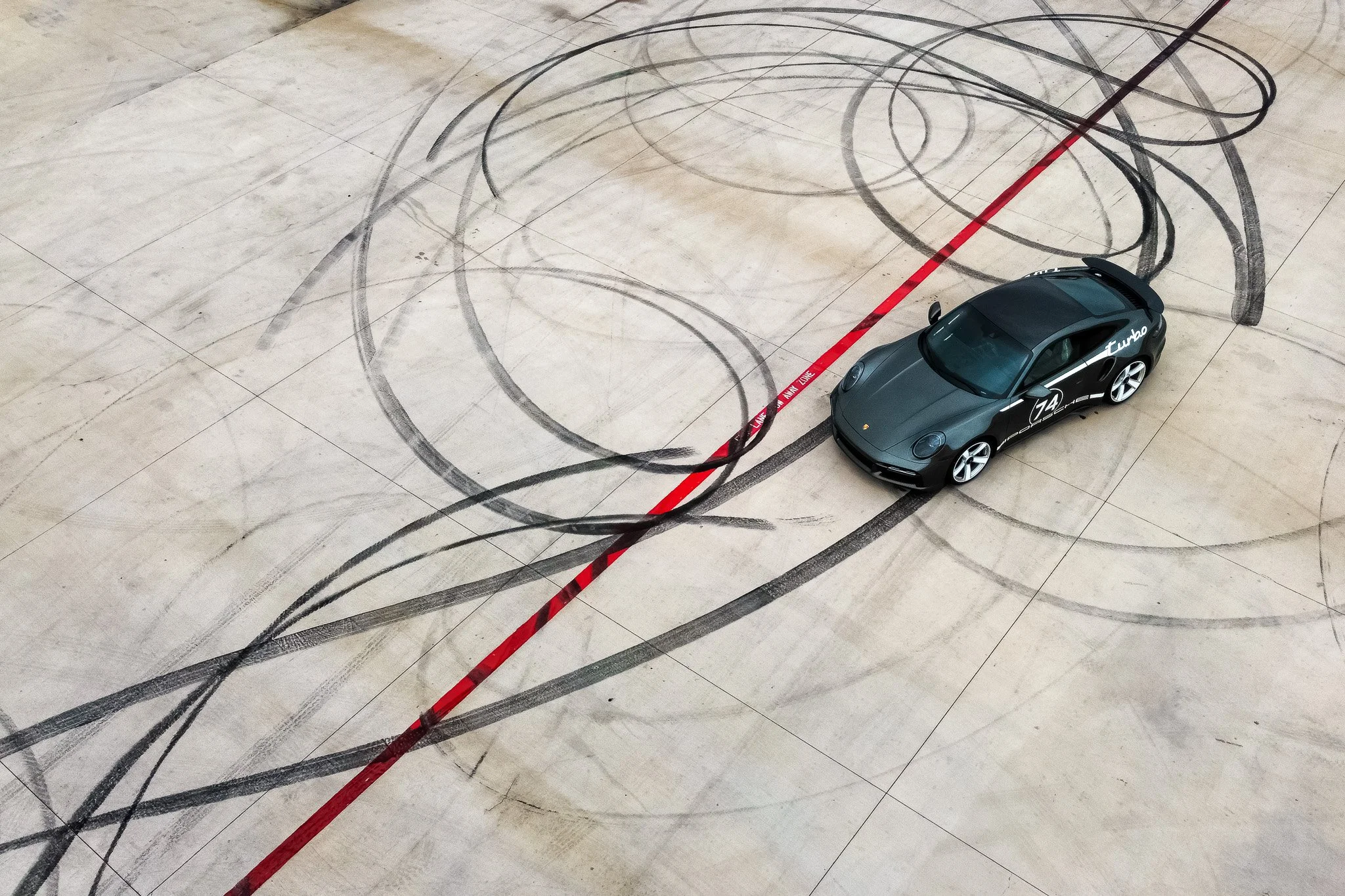
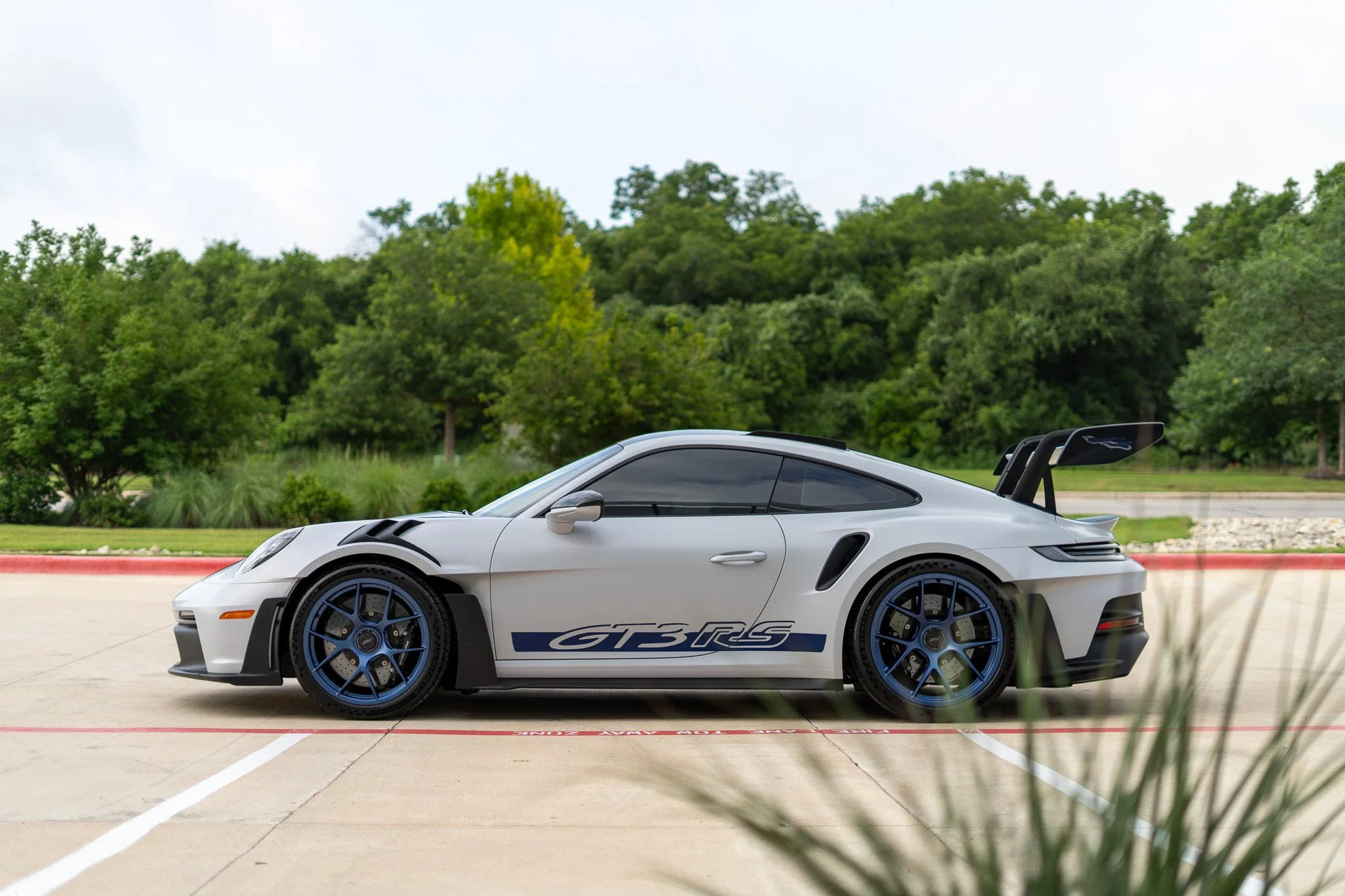
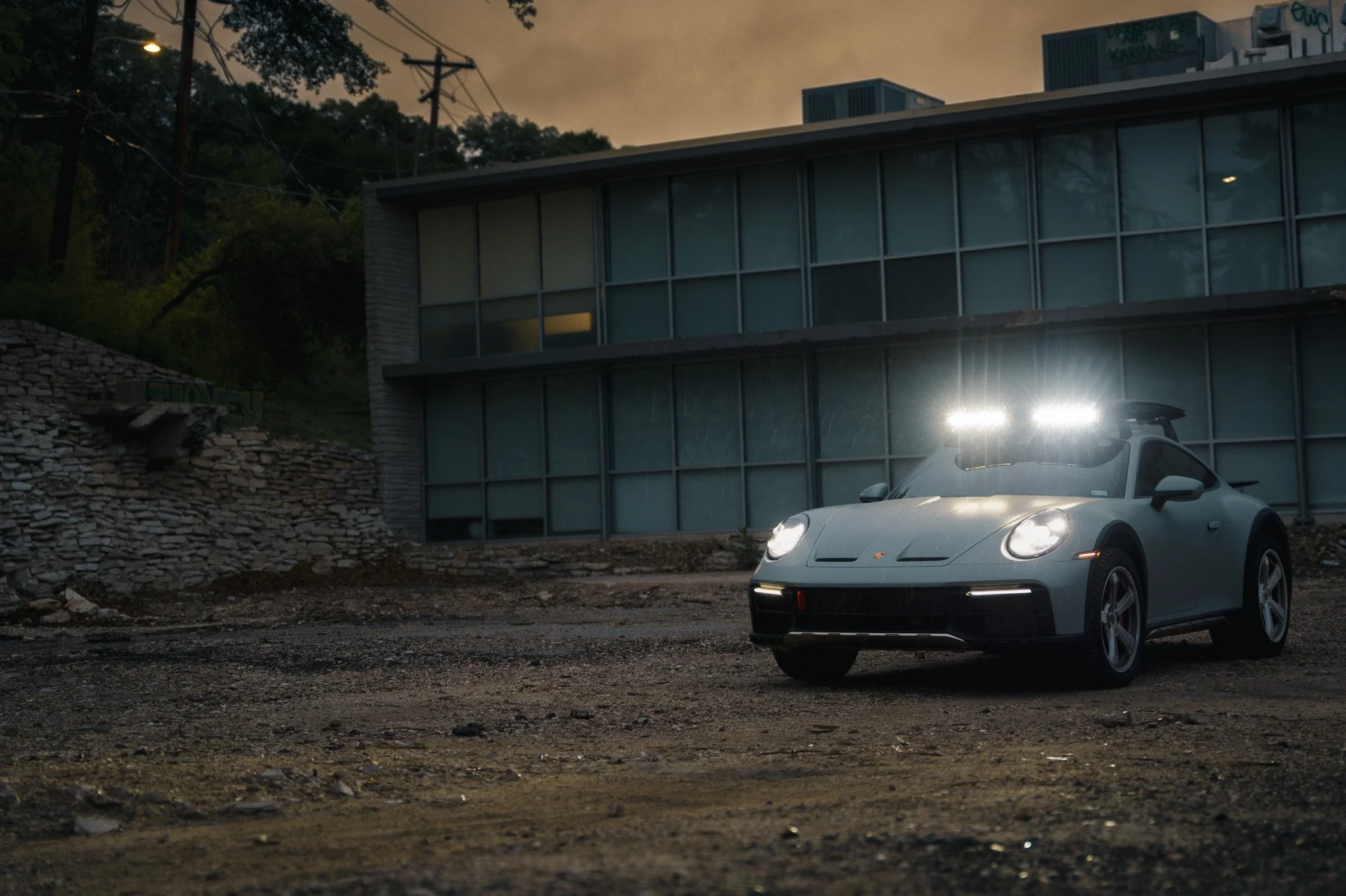
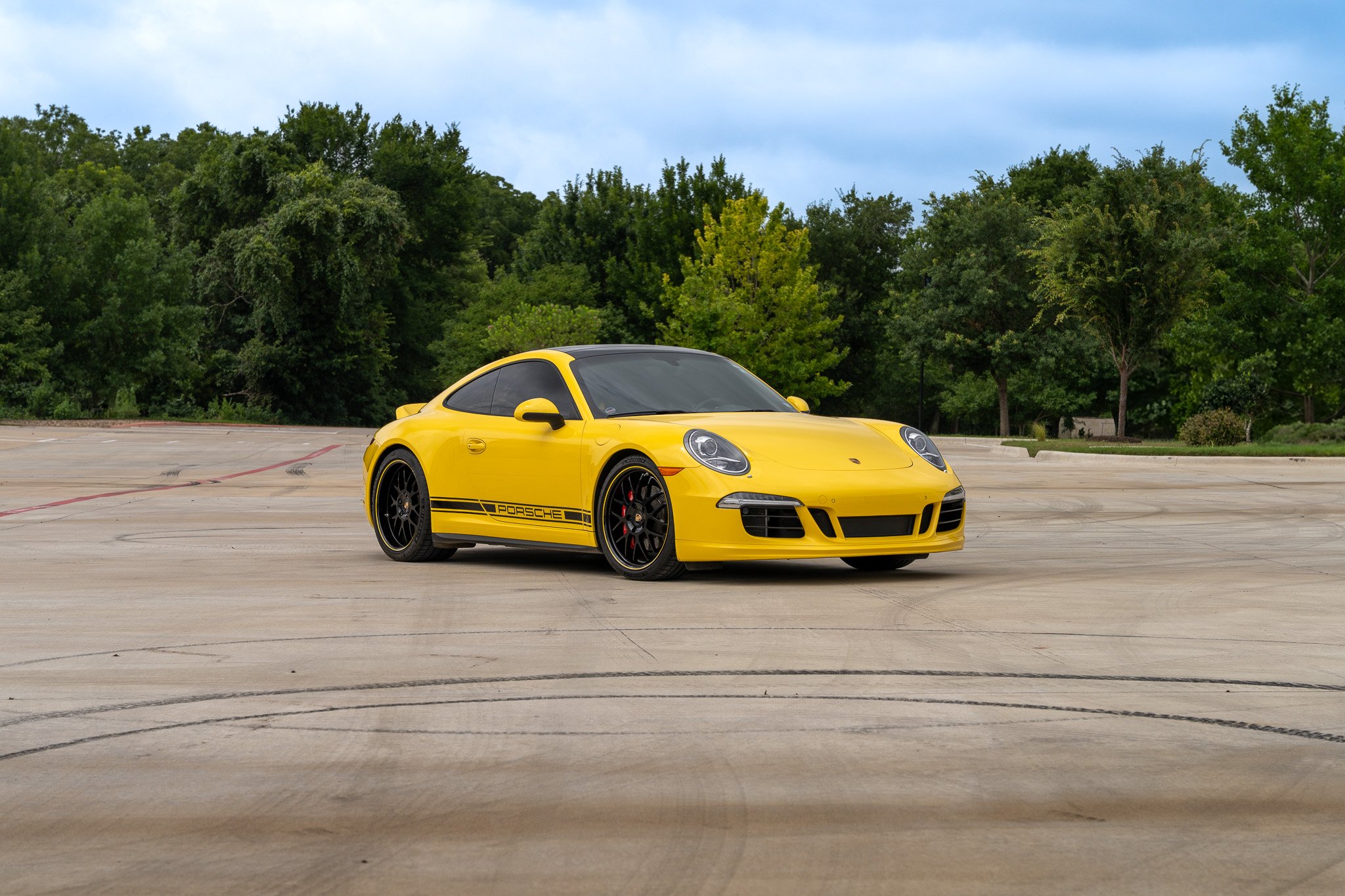
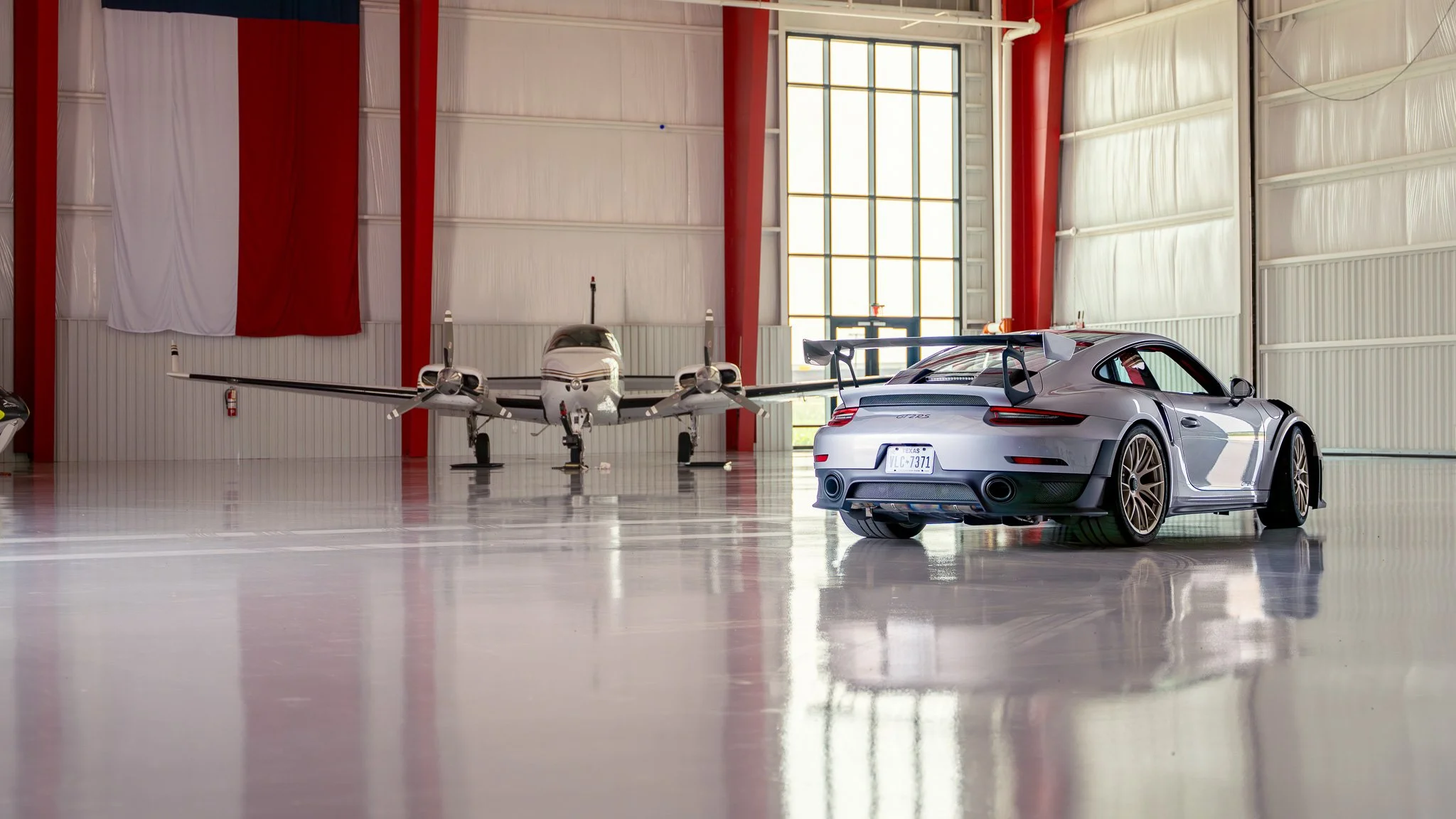
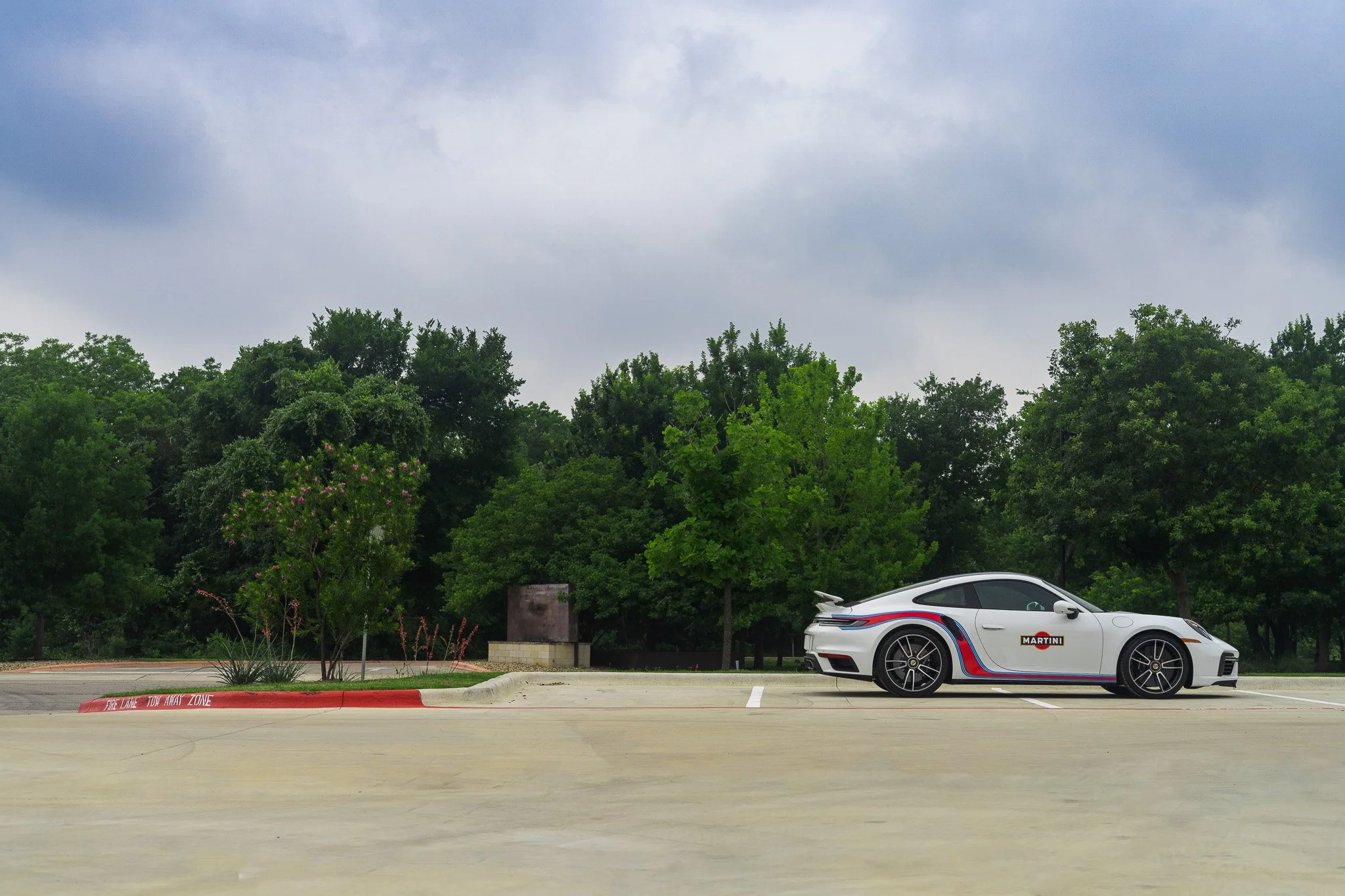
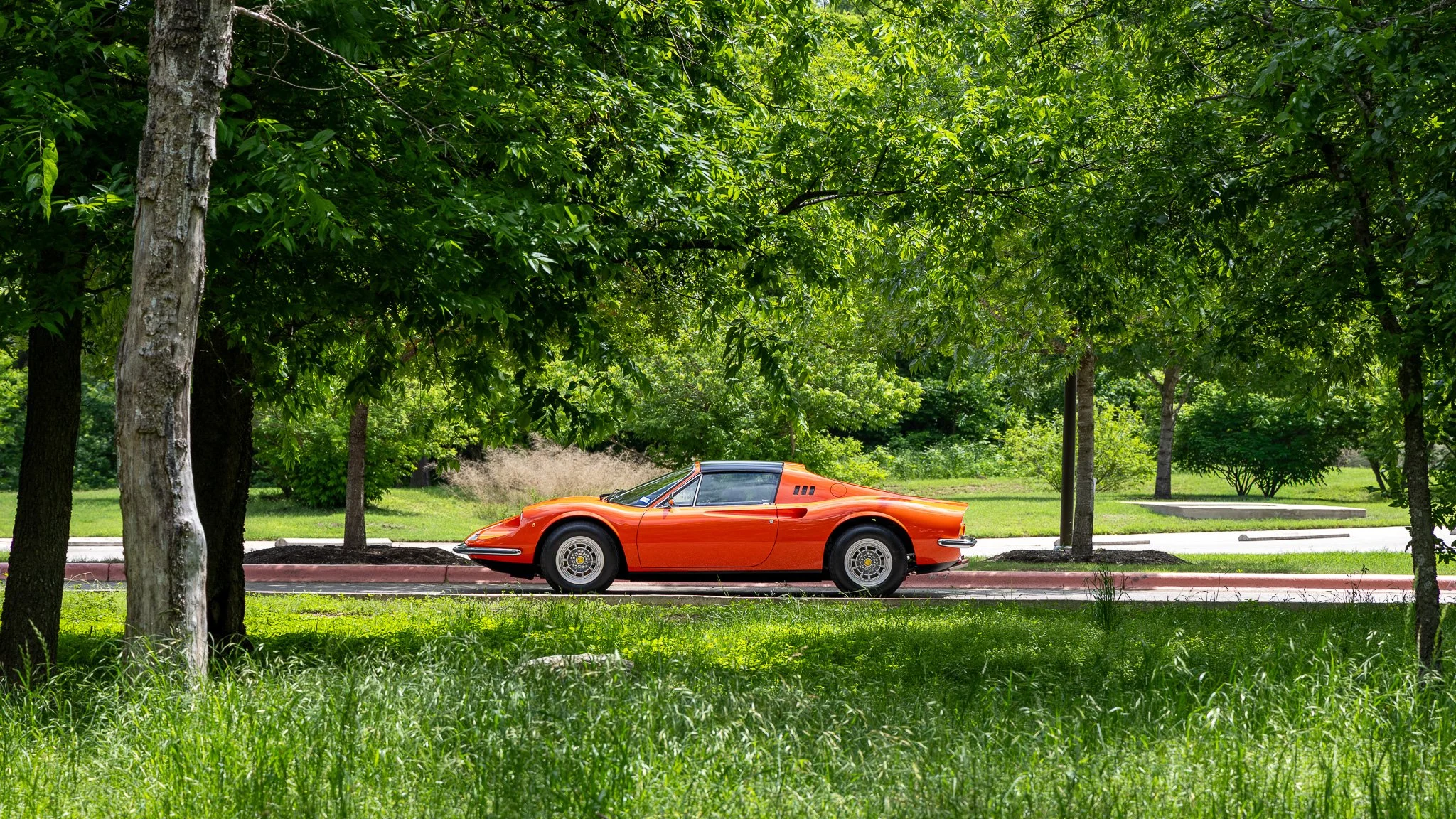
Location is the first decision and often the most important one. The right backdrop does half the work before the camera is even out of the bag. I look for settings that complement the character of the car rather than compete with it. A restored classic belongs somewhere with texture and history. A modified build belongs somewhere that matches the energy of what's been done to it. A dealership hero car belongs somewhere that makes it look like the kind of vehicle people save up for. Getting that wrong means the photos look like every other automotive shoot. Getting it right means they don't.
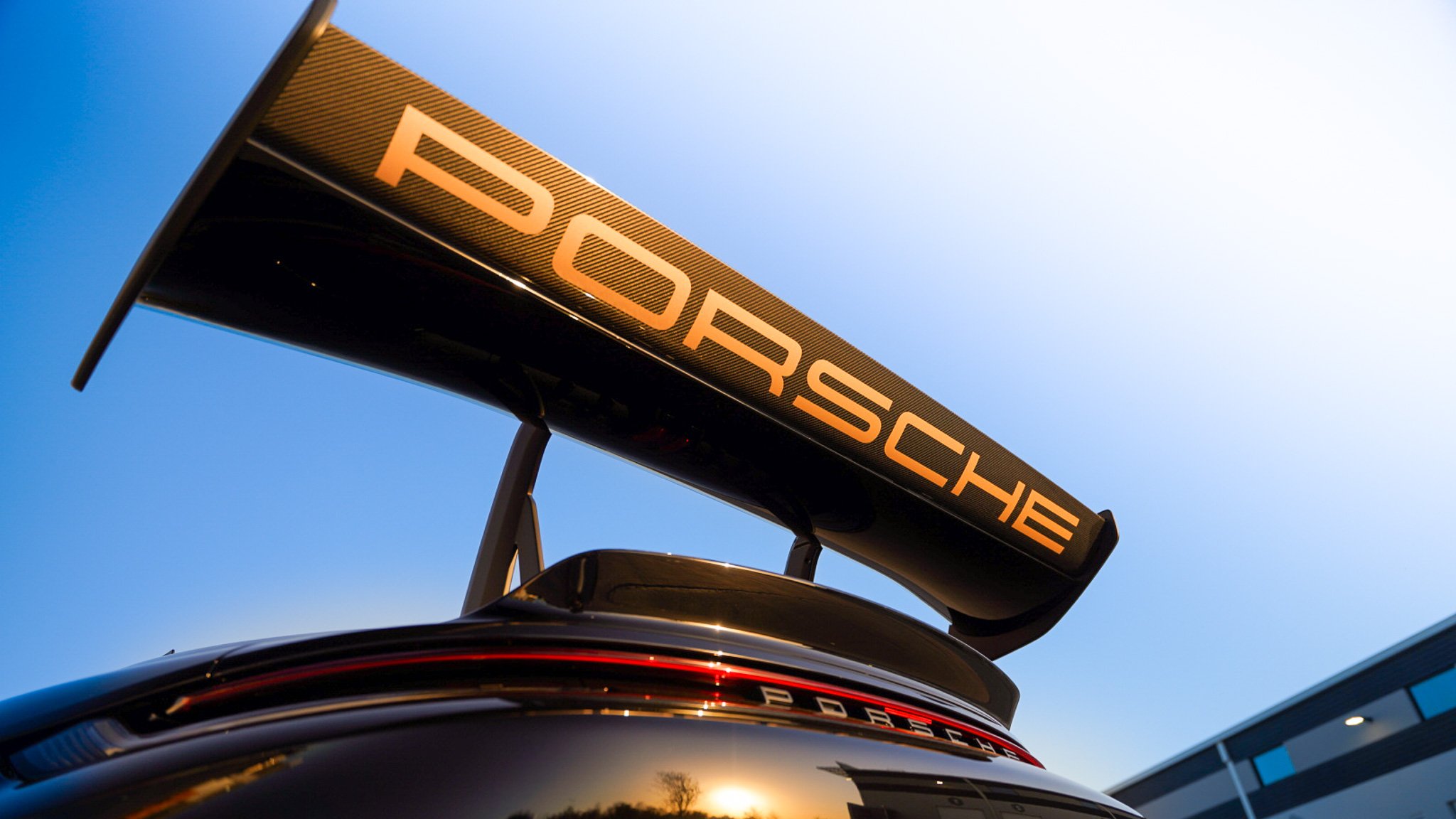
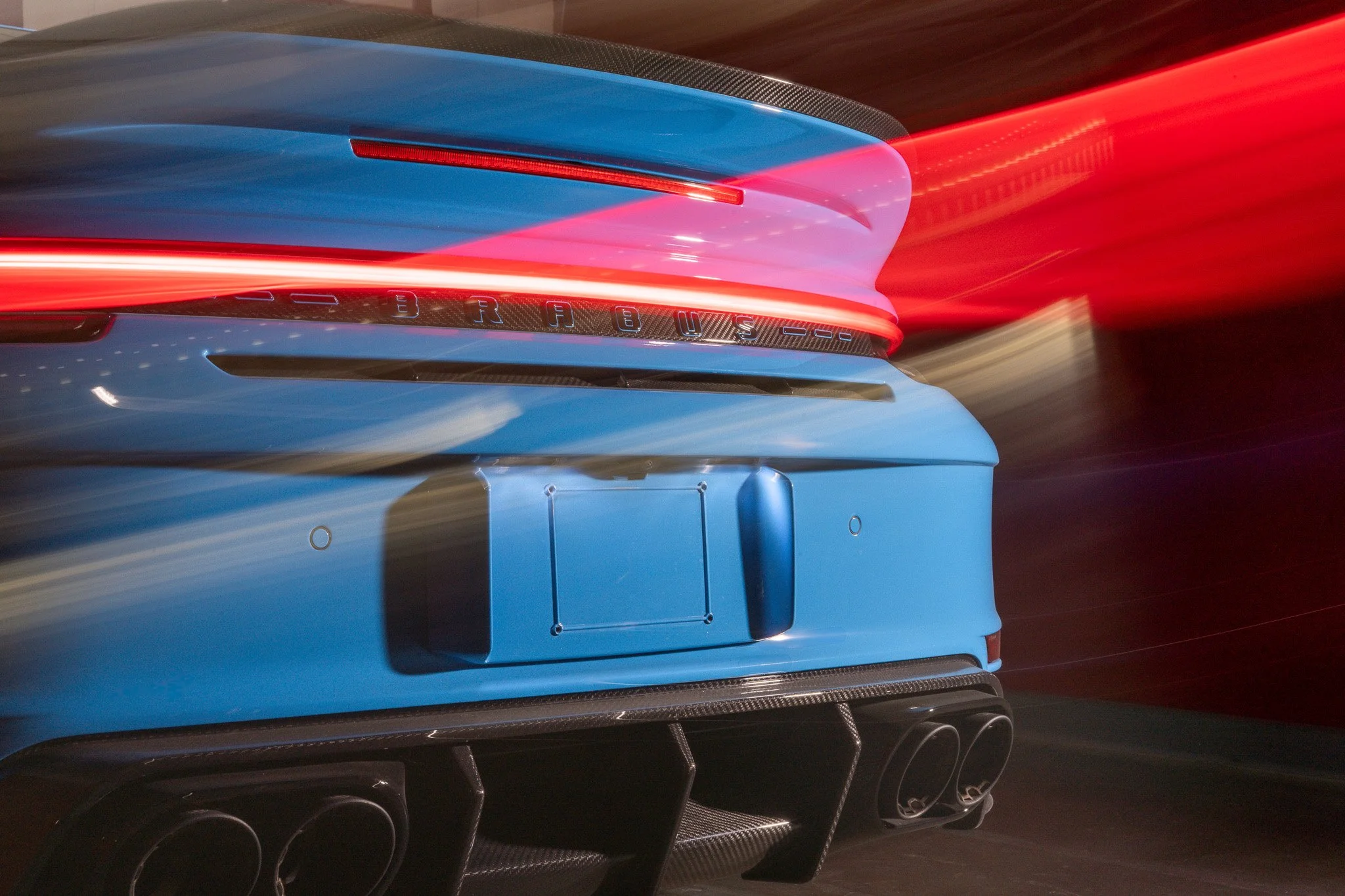
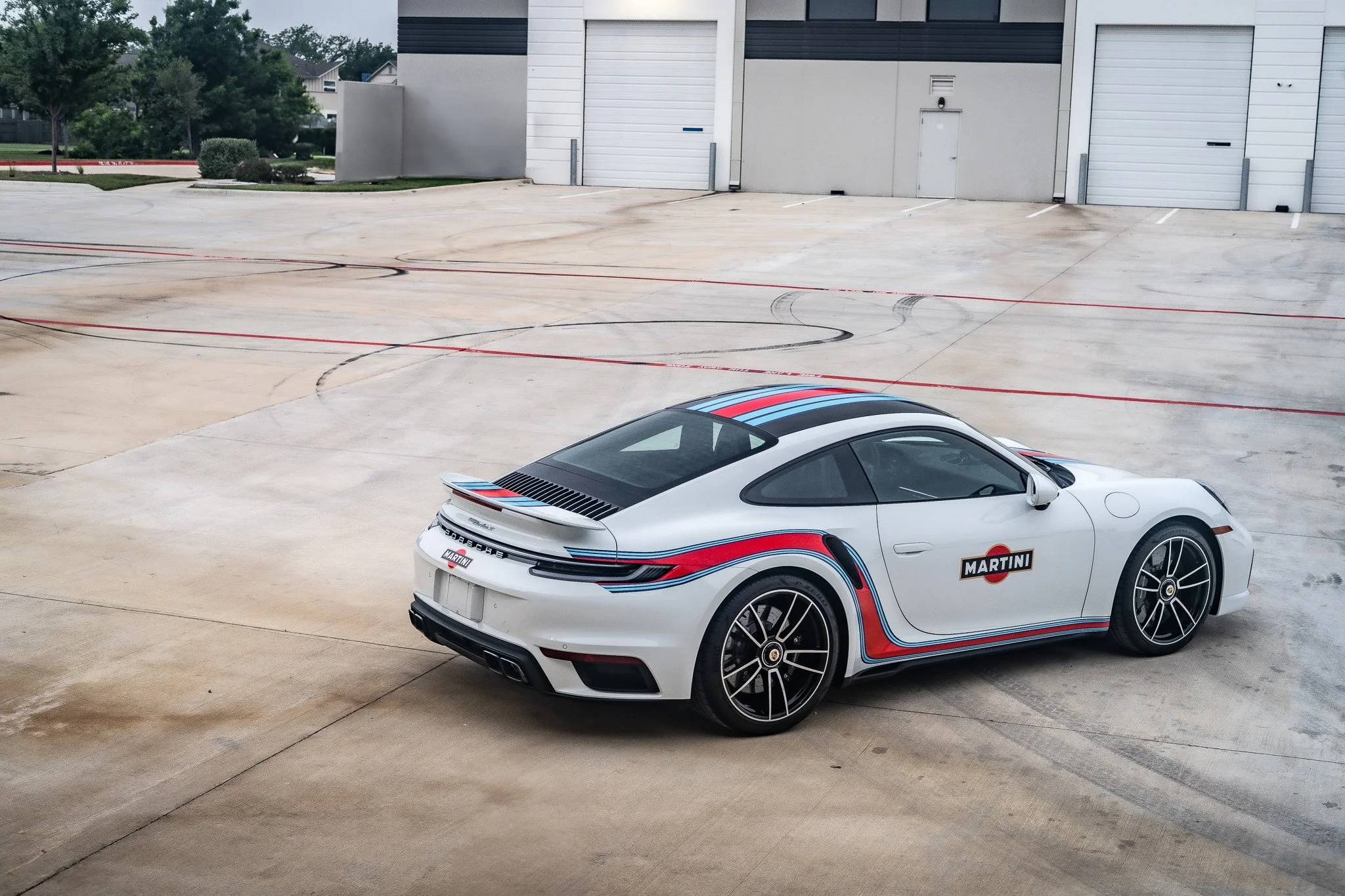
The actual shoot covers the full range of what a car has to offer. Exterior angles from every perspective, the three-quarter front and rear that show proportion and stance, the detail shots that reward a second look, door handles, vents, badges, stitching, the things that tell you something about how the car was built or how its owner takes care of it. Interior shots that show the environment the driver actually lives in. And when the situation calls for it, rolling shots that show the car in motion, which requires a different setup entirely and produces images that static shots simply cannot replicate.
The work spans commercial clients building out their online presence and individual collectors documenting cars they care about. Different goals, same approach: every shot should make the vehicle look like it's worth what it's worth.
Why It Matters
For a dealership, a shop, or anyone selling a vehicle online, photography is doing more work than people give it credit for. A car shot well looks like it belongs at a higher price point. A car shot poorly, in flat light, in a generic lot, with a phone camera, undersells itself before a buyer even reads the listing. The cost of a proper shoot is almost always smaller than the value it adds, whether that value shows up as a faster sale, a higher price, or simply a stronger first impression for a brand.